Achieve Straighter Teeth with Clear Aligners in Monroeville, PA
A Proud Provider of Invisalign® Clear Aligners

Tooth Extraction in Monroeville, PA
At Elite Dentistry of Monroeville, we have a team of dental professionals who offer swift treatment of urgent dental issues. If you are experiencing severe tooth pain, signs of an infection, or other serious symptoms, we recommend that you call us now for an appointment. We will do everything we can to save your natural tooth, but we can also offer same-day tooth extractions and implants should your condition be too severe for a dental filling or root canal therapy. Call now to schedule an appointment or a consultation for a tooth extraction in Monroeville, PA.
Certified Invisalign® Provider
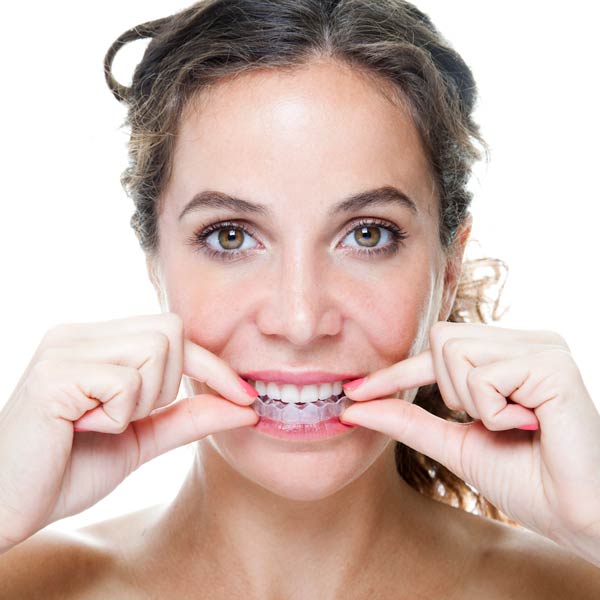
The Invisalign system is used by our cosmetic dentists in Elite Dentistry of Monroeville and has been successful in giving hundreds of thousands of amazing smiles to both teens and adults. A certified Invisalign provider from Monroeville, PA will work with you to create an individual treatment plan using clear, custom-molded Invisalign aligners. Invisalign treatment has been used to solve a range of issues, including the following: overly crowded teeth, widely spaced teeth, overbites, underbites, and crossbites
When Do You Need an Emergency Tooth Extraction?
Some dental problems, like minor cavities and tooth decay or deep dental infections, can be treated with a dental filling or root canal therapy. However, there are cases where the only solution is to remove the tooth and replace it with a dental restoration. Some of the reasons we may recommend that you make an emergency dental visit for a tooth extraction are:
- Severe, extensive tooth decay that doesn’t leave enough healthy tooth structure for restoration
- A deep bacterial infection or dental abscess in danger of spreading to other systems in your body
- Advanced gum disease that causes bone loss and loose teeth
- Severe tooth trauma, like a crack, chip, or fracture that cannot be repaired
- Impacted teeth or wisdom teeth that cannot fully erupt
- Overcrowding requires an extraction for proper function and improved aesthetics
- Repeated tooth infections despite root canal therapy

New Patient Invisalign® Consultation
Our dental office offers a special new Invisalign consultation to evaluate your teeth and gums and show you different ways you can improve your smile. To make an appointment, give us a call or click here to request an appointment online.

Invisalign®, the Invisalign logo, and iTero®, among others, are trademarks and/ or service marks of Align Technology, Inc. or one of its subsidiaries or affiliated companies and may be registered in the U.S. and/or other countries.
Signs and Symptoms of Tooth Damage
It can be tempting to avoid making a dental appointment because you are scared of what your dentist will tell you. However, ignoring symptoms can give your dental issue time to get worse, which can lead to dangerous, uncomfortable, and expensive complications. Some of the signs and symptoms of tooth damage that could mean that you need an extraction are:
- Pain when speaking, chewing, or putting pressure on a tooth
- Constant and/or severe tooth pain
- Tooth pain combined with signs of infection, like a fever, chills, swelling, bad breath, bleeding, sores, pus or discharge, and a foul taste in your mouth
- Swelling of the face, cheeks, neck, or jaw
- Sensitivity to heat or cold
- Red, swollen, tender, or bleeding gums
- Discolored gums
- Gray or black tooth
- Visible holes or pitting in teeth
- A broken, chipped, or cracked tooth
- Persistent mouth sores or a painful, swollen bump or cyst on the gums
Understanding Different Types of Tooth Extractions
When you visit our office, we will perform an exam and take dental x-rays to assess the health of your tooth and underlying oral structures. We will ask you about your medical and dental history, symptoms, lifestyle and habits, and any past dental work you have had done. We can then determine the best course of treatment. If possible, we will try to preserve your natural tooth and avoid an extraction. However, we may determine that the safest way to proceed is to perform a tooth extraction:
- Simple or Non-Surgical Extraction – A simple extraction can be performed if we can visualize all structures of the tooth and access and remove it non-surgically using dental tools.
- Surgical Extraction – A surgical extraction may be necessary if the tooth is cracked, broken, damaged, or severely decayed. This method requires us to make an incision, drill a hole in the tooth, or break apart the tooth into smaller pieces so that they can be removed.
- Impacted Tooth Extraction – Your wisdom teeth may become impacted if there is not enough room in your jaw for them to fully erupt. When this happens, we can remove the impacted teeth through a simple or surgical extraction.

Preparing for a Tooth Extraction
We will make sure you know exactly what to expect before, during, and after your procedure. We do everything we can to ensure your comfort so that you have a pain-free experience, including using local and/or general anesthesia for your extraction. After removing your tooth, we may place a temporary dental restoration to restore function. When your procedure is complete, we will give you written instructions for caring for your oral health and go over your options for dental restoration should it be needed. This could include replacing your extracted tooth with a dental implant, dental bridge, or dental crown.
Tooth Extraction Aftercare and Recovery
Most people recover within one or two days. You may experience mild pain, swelling, and bleeding. The tooth extraction recovery process is different for everyone and will depend on the location and complexity of the procedure. We will give you detailed, personalized instructions for tooth extraction healing that can alleviate pain and protect your health, including how to relieve post-extraction pain and what to eat after tooth extraction. Here are some general tips for extracted wisdom tooth healing and extracted tooth healing:
- Follow a soft food diet and avoid eating hard, crunchy, or sticky foods.
- Do not have hot or cold foods or beverages or anything acidic.
- Avoid alcohol.
- Quit smoking.
- Drink plenty of water.
- Take all over-the-counter medications and antibiotics as recommended.
- Sleep with your head elevated.
- Avoid strenuous activity.
- Don’t use straws or poke at the extraction site.
- Control bleeding with sterile gauze or a wet teabag.
- Treat pain and swelling with an ice pack or bag of frozen peas.
- Rinse with warm salt water or antibacterial mouthwash.
- Visit us for all follow-up appointments.
Call Now to Make an Appointment
If you are experiencing tooth pain or any signs of a tooth infection or impacted wisdom teeth, our dental professionals at Elite Dentistry of Monroeville can help. Call us now or contact us online to make an appointment for a dental exam. We offer compassionate care in a warm, welcoming environment. Our team has experience helping patients overcome dental fear and anxiety, and we offer patient education and resources to improve oral and overall health. In addition to providing emergency dental care and tooth extractions, we also offer general and preventive dentistry services, cosmetic dentistry, and restorative dentistry. After your extraction, we will help you explore your options for a comfortable, natural-looking prosthetic.
FAQs About Extractions
You might need an extraction if you have persistent or worsening tooth pain, swelling, pus or discharge, severe dental cavities or tooth decay, trauma or damage to your teeth, or impacted wisdom teeth. Call us right away for emergency dental care if you have a fever and/or chills combined with any signs of a tooth infection, such as tooth pain and/or sensitivity, swelling of the face or gums, a cyst or sore in your mouth, or drainage from your tooth or gums.
If you have an impacted wisdom tooth, delaying extraction could cause serious pain, trouble eating or speaking, shifting of the surrounding teeth, misalignment and bite problems, jaw pain, infection, and TMJ disorder. If you have a damaged, decayed, or infected tooth, you might face a dental abscess, serious pain, gum disease, jawbone loss, receding gums, facial deformity, or worsening infection.
A tooth extraction is very low-risk, and can actually reduce your risk of other, more serious problems, like widespread infection and systemic disease. You may experience mild pain after an extraction, but you will also experience significant pain relief as we will have addressed the underlying cause of your tooth pain and discomfort.
After we extract impacted wisdom teeth, you will go through a moderate healing and recovery process, and then you can return to your normal routine. After the extraction of a damaged, diseased, decayed, or infected tooth, we will discuss your options for dental restoration, such as a dental crown and bridge, a dental implant, or custom dentures.
If you don’t replace an extracted tooth, your remaining teeth may begin to shift to fill the space left behind. This could cause pain, trouble eating, misalignment, crooked teeth, and bite problems. You may also have an increased risk of jawbone loss, facial deformity, TMJ disorder, gum disease, and trouble chewing and speaking.