
Can Teeth Be Sensitive After Teeth Whitening?
Brightening your smile is one of the most popular and transformative cosmetic dental procedures available today. Whether you are preparing for a special event or simply want to boost your daily confidence, a professional whitening treatment can take years of stains off your teeth. However, it is very common for patients to experience a bit of a “tingle” or mild discomfort afterward. If you’ve noticed sensitive teeth after whitening, please rest assured that this is a normal, temporary side effect, and there are many ways to manage it so you can enjoy your glowing results comfortably. Elite Dentistry of Monroeville explains how to treat sensitive teeth after whitening. Learn more!
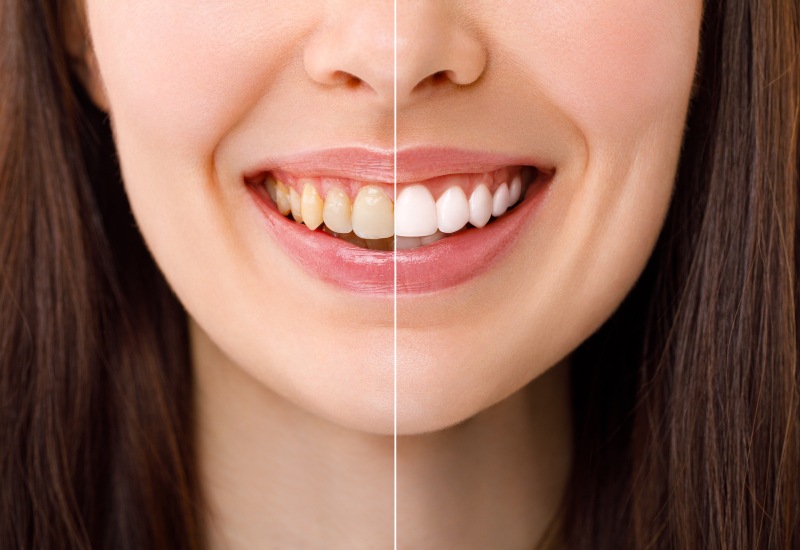
Why Does Tooth Sensitivity Occur After Whitening?
The primary reason for tooth sensitivity after whitening is related to how the whitening agents work. Most professional products use hydrogen peroxide or carbamide peroxide to penetrate the enamel and break up deep-seated stains. During this process, the pores in your enamel, known as dentinal tubules, become temporarily more open or “exposed.” This allows the nerves inside your teeth to be more susceptible to temperature changes and air, leading to those brief, sharp sensations often called “zings.”
How Long Does Teeth Sensitivity Last After Whitening?
If you are wondering how long tooth sensitivity lasts after whitening, the good news is that it is usually very short-lived. For most patients, sensitivity peaks within 24 to 48 hours after treatment and then gradually fades away as the minerals in their saliva naturally rehydrate and remineralize the enamel. If your teeth feel sensitive after using whitening strips or undergoing a professional whitening session for longer than a few days, it’s always a good idea to reach out to us for a quick check-in.
Common Triggers for Sensitivity
While your teeth are in this temporary “open” state, you might notice sensitivity. It’s essential to understand this should subside in time. Some of the most common triggers for sensitivity after whitening include:
- Temperature Extremes – From very cold ice water to steaming hot coffee.
- Acidic Foods – Citrus fruits, sodas, or vinegar-based dressings.
- Cold Air – Breathing in deeply through your mouth during colder weather.
- Sweet Foods – High sugar content can sometimes trigger a response in sensitive nerves.
How to Ease Sensitive Teeth After Whitening
Knowing how to ease sensitive teeth after whitening can make your post-treatment experience much more pleasant. We recommend the following gentle steps to ease sensitive teeth after tooth whitening treatments:
- Use Sensitivity Toothpaste – Switch to a toothpaste containing potassium nitrate for at least a week before and after whitening.
- Brush Gently – Use a soft-bristled toothbrush and lukewarm water rather than cold water.
- Adjust Your Diet – Stick to “white” foods and room-temperature beverages for the first 48 hours.
- Pain Relief – Over-the-counter pain relievers can help manage minor discomfort if approved by your dentist.
Professional Tips to Prevent Sensitivity
Elite Dentistry of Monroeville wants your journey to a whiter smile to be as relaxing as possible. Some of the best ways to prevent sensitivity after teeth whitening include:
- Our team can adjust the concentration of the whitening gel.
- Apply a professional desensitizing treatment immediately following your procedure.
- We recommend spacing out your treatments, as using whitening strips or gels too frequently can lead to irritation.
- If you have a history of recession or thin enamel, we can tailor a custom plan that prioritizes your comfort.
When to Seek Dental Advice
While mild sensitivity is expected, it should never be unbearable. You should contact us if:
- The sensitivity lasts longer than a week.
- You experience localized pain in one specific tooth.
- You notice redness or bleeding in your gums (similar to the bleeding gums issues discussed here).
- The discomfort prevents you from eating or drinking normally.
Contact Elite Dentistry of Monroeville
Elite Dentistry of Monroeville helps patients in Monroeville achieve a radiant smile without pain. We offer various cosmetic dental treatments to enhance your smile. By understanding why sensitive teeth after teeth whitening occur and following our simple aftercare tips, you can achieve the look you want without the stress. Your comfort is our top priority, and we are here to support you every step of the way. Ready for a brighter smile that feels as good as it looks? Schedule your consultation today to learn about our gentle whitening options and how we can help you manage sensitivity for a beautiful, healthy result.
Frequently Asked Questions About Sensitive Teeth
We understand many patients have questions about teeth whitening and tooth sensitivity. Below, we answer your questions about sensitive teeth after teeth whitening:
The fastest way to find relief is to use a desensitizing gel or toothpaste and avoid extremely hot or cold foods for the first 24 hours. Brush with a soft-bristled toothbrush and a toothpaste specifically formulated for sensitive teeth, ideally one containing potassium nitrate. If you already have sensitive teeth after whitening strips in the past, it’s best to consult with us first. We can provide professional-grade products designed specifically for sensitive mouths. Not at all. The sensitivity is a temporary physiological response to the whitening process and does not indicate that your enamel has been permanently harmed.