
Possible Complications of Root Canals and How to Avoid Them
How to Avoid Root Canal Complications
Root canal treatment is a cornerstone of modern restorative dentistry, designed to save a natural tooth that has been severely damaged by decay or infection. While the procedure has a remarkably high success rate, it is natural for patients to feel a bit anxious about potential complications after root canal treatment. Rest assured, Elite Dentistry of Monroeville helps you learn the complications that may arise from root canals and how to avoid them. By understanding what to expect and how to maintain your oral health, you can ensure a smooth recovery and a lasting, healthy smile.
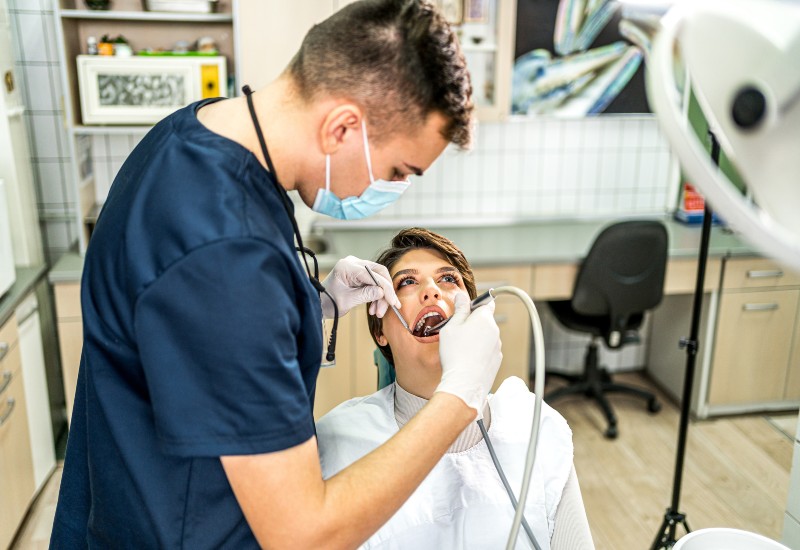
Why Root Canal Treatment Is Necessary
When the soft inner tissue of your tooth, known as the pulp, becomes inflamed or infected, a root canal is often the only way to prevent the tooth from being lost. Without this intervention, the infection can spread to the surrounding bone, causing severe pain and potentially leading to an abscess. Choosing a root canal over a root canal tooth extraction allows you to keep your natural tooth, which helps maintain proper jaw alignment and prevents neighboring teeth from shifting.
Common Complications After Root Canal Treatment
While most procedures are straightforward, some patients may experience complications of the root canal procedure during the healing phase. To help you feel fully prepared, we’ve outlined some potential complications that can arise if a root canal is not performed by an expert hand:
- Tooth Fracture – Because removing the infected pulp involves a small incision, the treated tooth can sometimes become more brittle. We recommend gentle chewing and often suggest a protective crown to keep the tooth strong and prevent fractures.
- Risk of Reinfection – If any bacteria remain after the initial cleaning or if the seal is not perfectly applied, the infection could return. We use thorough disinfection techniques to minimize this risk and prevent the formation of abscesses.
- Post-Treatment Discomfort – While some tenderness, swelling, or minor bleeding is a natural part of the healing process, it should be manageable with the guidance and medication we provide. If discomfort persists for more than a few days, we are always here to take a closer look and ensure everything is healing correctly.
- Sensitivity in Surrounding Teeth – During this delicate procedure, the surrounding tooth structures may experience temporary numbness or a loss of sensation. Choosing an experienced professional ensures a calm environment and a gentle touch that protects your entire smile.
- Aesthetic Changes – It is common for a tooth to weaken or discolor slightly after the nerves are removed. To restore its natural beauty and structural integrity, we will evaluate your tooth to see if a custom crown is the best solution for you.
Causes of These Complications
Several factors can contribute to complications from root canal therapy. Some of the most common causes of root canal complications include:
- Complex tooth anatomy (such as curved or narrow canals).
- An undetected vertical fracture in the tooth.
- Breakdown of the protective crown.
- When permanent restoration is delayed, the temporary dental filling may leak, allowing bacteria to recontaminate the inner chamber.
How to Avoid Root Canal Complications
The best way to ensure a successful outcome is through proactive care. To minimize the risk of post-root canal treatment complications, follow these simple steps:
- Follow Post-Op Instructions – Stick to the guidelines provided by our dental team regarding diet and cleaning.
- Prioritize the Permanent Crown – Ensure you return to the office promptly to have your permanent crown placed, as this provides the final seal against bacteria.
- Maintain Excellent Hygiene – Continue brushing and flossing diligently, and use an antibacterial mouthwash to keep the area clean.
Signs You Should Contact Your Dentist Immediately
While some discomfort is normal, you could be experiencing a dental emergency. You should reach out to our office if you experience:
- Severe pain that is not relieved by over-the-counter medication.
- Visible swelling inside or outside the mouth.
- An uneven bite or the feeling that the tooth is “too high.”
- Return of the original symptoms you had before the procedure.
Long-Term Care After a Root Canal
A tooth that has undergone a root canal can last a lifetime with the right care. Regular dental checkups are essential to monitor your oral health, including the treated tooth and the surrounding bone. By staying consistent with your preventative dental visits, you allow us to catch any minor issues before they become significant root canal complications.
Contact Elite Dentistry of Monroeville
Elite Dentistry of Monroeville puts your comfort and long-term health first. While it is helpful to be aware of potential complications, remember that root canals are a safe and effective way to preserve your smile. If you are experiencing tooth pain or have been told you may need a procedure, don’t wait until the infection worsens. Ready to protect your smile? Contact our welcoming team in Monroeville, PA today to schedule an evaluation.
Frequently Asked Questions About Root Canals
Generally, yes. Keeping your natural tooth is always the preferred option as it maintains your bone structure and bite. An tooth extraction is usually a last resort when the tooth cannot be saved. Most patients return to normal within a few days, although the area may feel slightly different for a week or two as the inflammation subsides. While rare, a root canal can fail years later due to new decay, a fracture, or a compromised dental crown. Regular dental exams are the best way to prevent this.