Bleeding Gums? What It Could Mean and Why You Shouldn’t Ignore It
Why It’s Important to Address Bleeding Gums
Finding a little pink in the sink while brushing might seem like a minor inconvenience, but it is actually one of your body’s most important warning signs. At our practice, a healthy smile is the foundation of your overall well-being, and we want you to feel empowered to take charge of your oral health. While occasional bleeding might happen if you brush too hard, persistent bleeding is often a signal that your gums need a little extra professional attention. Ignoring these signs can lead to more complex issues down the road, but the good news is that with early intervention and the right care, most gum issues are completely reversible. Elite Dentistry of Monroeville explains the importance of treating bleeding gums.
What Does Bleeding Gums Mean?
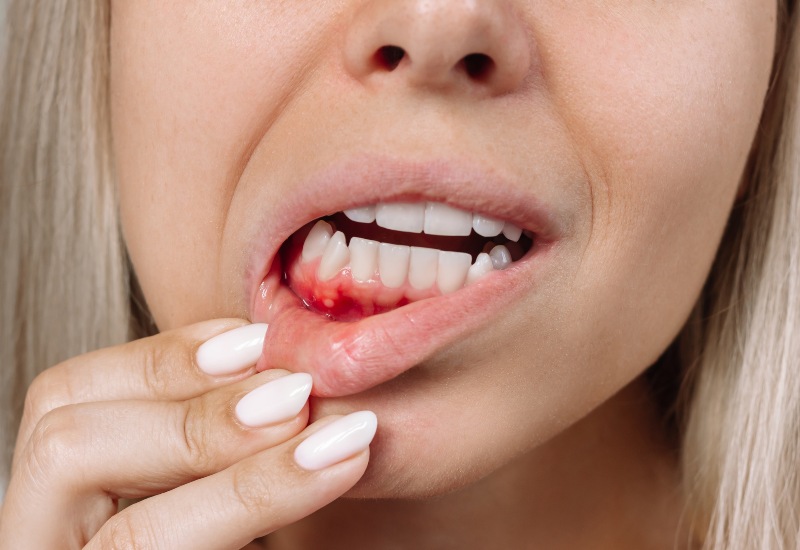
In the simplest terms, bleeding gums are usually a sign of inflammation. When plaque, a sticky film of bacteria, builds up along the gum line, it irritates the delicate soft tissues surrounding your teeth. This irritation causes the gums to become sensitive and prone to bleeding during routine activities like brushing or flossing. Think of it as your body’s way of asking for a deeper clean to remove the bacteria that your toothbrush might be missing.
Common Causes of Bleeding Gums
It’s essential to understand the causes of bleeding gums to start the journey toward a solution. While gingivitis (the earliest stage of gum disease) is the most frequent culprit, several factors can contribute to sensitivity:
- Plaque Accumulation: When plaque isn’t thoroughly removed, it hardens into tartar, which can only be cleaned by a dental professional.
- New Flossing Habits: If you’ve just started a flossing routine, your gums may experience slight bleeding for a few days as they adjust.
- Pregnancy Gingivitis: Hormonal changes can make gums more sensitive to bacteria.
- Health Conditions: Certain Vitamin C or K deficiencies, or the use of blood-thinning medications, can play a role.
- Aggressive Brushing: Using a firm-bristled brush or applying too much pressure can damage the gum tissue.
Why You Shouldn’t Ignore Bleeding Gums
It can be tempting to wait and see if the bleeding stops on its own, but timely care is essential. When left untreated, minor inflammation can progress into periodontitis. This advanced stage of gum disease can lead to receding gums, bone loss, and eventually tooth loss. Furthermore, chronic gum disease and systemic health issues like heart disease and diabetes have a strong link. By addressing bleeding now, you are protecting much more than just your smile; you are looking out for your entire body.
When Is It an Emergency?
While most gum issues can be addressed during a scheduled visit, some situations require a call to an emergency dentist for bleeding gums. You should seek immediate care if:
- The bleeding is heavy and will not stop.
- Your gums are accompanied by severe pain or visible swelling.
- You notice a loose permanent tooth.
- You have signs of a high fever or an abscess (a pocket of infection).
How to Prevent and Treat Bleeding Gums
The path to healthy gums is paved with consistent, gentle gum care. Some of the best ways to prevent and treat bleeding gums include:
- Switch to a to a soft-bristled toothbrush and using a light, circular motion.
- If you have a dental bridge or other restorations, be sure to use specialized flossing tools to clean underneath them, as these areas can easily trap plaque.
- Professional dental cleanings are the most effective treatment, as they remove the tartar that causes inflammation, giving your gums a “fresh start” to heal.
Long-Term Oral Health Tips
Our dental team will work with you to ensure your gums are in optimal health. To keep your gums pink and firm for life, consider these daily habits:
- Brush Twice Daily – Use fluoride toothpaste and take your time—at least two minutes per session.
- Daily Flossing – This reaches the 40% of tooth surfaces that brushing misses.
- A Nutritious Diet – Crisp vegetables and fruits can help clean teeth naturally, while limiting sugary snacks reduces bacterial growth.
- Regular Check-Ups – Visit us every six months so we can detect any signs of irritation before they become a problem.
Contact Elite Dentistry of Monroeville
Elite Dentistry of Monroeville offers complete dental services in Monroeville, PA. If you’ve noticed your gums bleeding, please don’t worry. We are here to help you get back on track with a personalized dental care plan. Taking action today is the best way to ensure your smile remains bright, healthy, and pain-free for years to come. Ready to restore your gum health? Contact our practice to schedule your gentle consultation and cleaning!
Frequently Asked Questions About Bleeding Gums
If you have questions about gum care and oral health, we’ll answer them. Here are some of the most frequently asked questions about bleeding gums and gum care:
Even with daily brushing, it’s easy to miss certain spots where plaque hides. You might also be brushing too hard or need a professional cleaning to remove hardened tartar. Yes, a warm salt water rinse can help soothe inflammation and reduce bacteria temporarily, but it does not replace the need for a professional dental exam. It is very common due to hormonal shifts, but it still requires monitoring. We recommend a check-up to ensure your gums stay healthy during your pregnancy.