
Ways to Fix a Chipped Tooth and Maintain Oral Health
A chipped tooth is one of the most common dental injuries. While it happens frequently, it can still be stressful. Even a minor chip can compromise your protective tooth enamel, leaving the sensitive inner layers of your smile vulnerable to bacteria and decay. Ignoring the problem often leads to more extensive, painful, and expensive damage down the road.
If you recently suffered dental damage, you’re likely wondering how to fix a chipped tooth before the pain worsens or the crack spreads. Fortunately, modern dentistry offers a variety of quick, painless solutions to restore your smile to its original state. Below, we’ll explain exactly what to do with a chipped tooth, help you determine your next steps, and explore the restorative treatments available to protect your oral health.
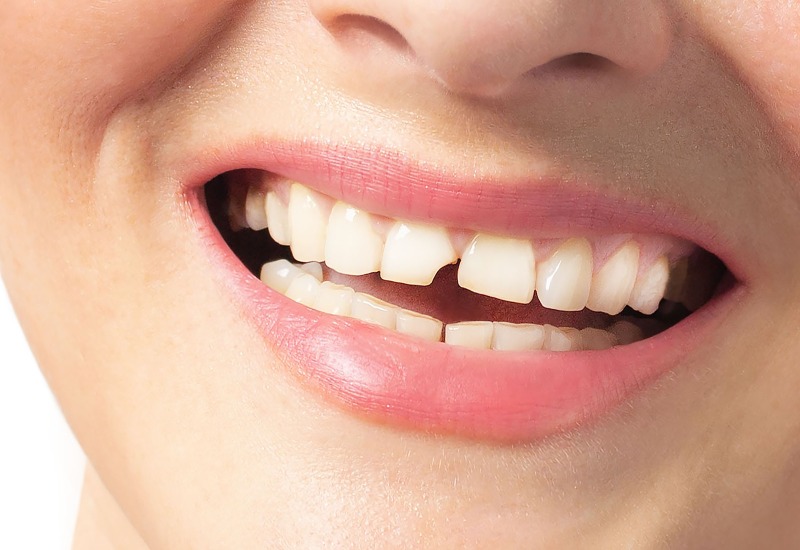
Causes and Symptoms of a Chipped Tooth & Why It Happens
Tooth enamel is the hardest substance in the human body. However, it’s not indestructible. People often damage their teeth by biting down on hard objects such as ice, hard candy, or popcorn kernels. Accidents, sports injuries, and falls are also frequent culprits. Additionally, teeth weakened by untreated cavities or large, older fillings are much more susceptible to breaking.
You’ll usually know right away if you’ve damaged a tooth. Common symptoms include feeling a jagged or sharp edge when you run your tongue over the area. You may also experience irritation in your surrounding gums or a sudden sensitivity to hot and cold temperatures. In more severe cases, you’ll feel a persistent ache, which indicates that the inner nerve of the tooth is exposed.
When to See a Dentist
Is a chipped tooth an emergency? The answer depends on the severity of the damage and your pain levels. If you’re experiencing severe pain, bleeding, or swelling, you should contact a dentist immediately. These symptoms suggest that damage has reached the tooth pulp or that a serious infection is developing.
For minor chips that don’t cause any pain, you might not need midnight emergency care. However, you should still schedule a dental appointment as soon as possible. Delaying treatment gives bacteria a chance to enter the inner layers of your tooth, turning a simple repair into a complex dental issue.
What to Do After Chipping a Tooth
Taking the right steps immediately after an injury can save your tooth and prevent infection. If you’re unsure about your next moves, follow these simple steps:
- Rinse your mouth gently with warm salt water. This helps remove debris and surface bacteria, lowering your risk of infection.
- If you’re bleeding, apply gentle pressure to the area using a clean piece of gauze or a cool, damp cloth.
- If you have to wait a day or two for your appointment, you can cover any sharp, jagged edges with temporary dental cement found at most drugstores. This will protect your tongue and cheeks from getting scratched.
- Call your dentist to schedule a prompt evaluation.
Treatment Options for Chipped Teeth
Depending on how much tooth structure is lost, your dentist will recommend one of several effective treatment options for chipped teeth. Treatment options include:
- Dental Bonding – For small, minor chips, dental bonding is the fastest and most cost-effective solution. Your dentist applies a tooth-colored composite resin to the damaged area, shaping it to match the natural contours of your tooth. The material is then hardened with a special light.
- Porcelain Veneers – If you have a moderate chip on a highly visible front tooth, porcelain veneers offer a beautiful, natural-looking restoration. A veneer is a thin ceramic shell bonded to the front of your tooth. They’re highly durable and can last for decades with proper care.
- Dental Crowns – When a large piece of the tooth breaks off, a dental crown is often necessary. A crown acts as a protective cap that covers the entire visible portion of the tooth. It restores the tooth’s shape, size, and strength while protecting the remaining structure from further damage.
- Root Canal Therapy – If the break extends deep into the inner chamber of the tooth, the pulp and nerves can become infected. In this case, a root canal is required to remove the damaged tissue. After cleaning out the infection, the dentist will seal the tooth and place a crown on top to protect it.
- Dental Implants – Sometimes, a crack extends below the gum line, meaning the tooth can’t be saved. Your dentist will need to extract the damaged tooth and replace it with a dental implant. An implant functions just like a natural tooth root and provide a permanent foundation for a replacement crown.
How to Choose the Right Treatment: Size, Location, & Oral Health Factors
Selecting the best treatment depends on a few specific factors. Your dentist will evaluate the size of the chip, the location of the damaged tooth, and your overall oral hygiene. A tiny chip on a front tooth might only require minor bonding, while a heavily damaged molar used for chewing will likely need a strong dental crown. Your dentist will evaluate your situation and recommend a customized treatment plan that fits your budget and lifestyle.
How Chipped Tooth Affects Oral Health if Left Untreated
Leaving a damaged tooth untreated is a risky decision. The outer enamel protects the delicate inner layers of your teeth. Once that barrier is broken, bacteria easily slip inside. This can cause severe decay, painful abscesses, and eventual tooth loss. An untreated chip can also alter your bite alignment, leading to jaw pain and excessive wear on your surrounding healthy teeth.
Tips to Protect & Maintain Oral Health After Treatment
Once your dentist restores your smile, knowing how to care for a chipped tooth repair is essential. Here are a few tips to protect and maintain your oral health after treatment:
- Brush your teeth twice a day with a soft-bristled toothbrush and fluoride toothpaste.
- Floss daily to remove plaque from around the restored tooth.
- Avoid chewing on hard objects such as ice, pens, or hard candies, as these can damage bonding material or porcelain crowns.
- Visit your dentist for regular checkups and cleanings to monitor the restoration.
Why Choose Elite Dentistry of Monroeville for Chipped Tooth Repair?
When you experience a dental injury, you need a team you can trust. Elite Dentistry of Monroeville provides fast, compassionate, and highly skilled care for all types of dental damage. Our experienced dentists use their expertise to ensure your restoration looks natural and lasts for years. We prioritize your comfort and work efficiently to restore your smile to its absolute best.
Frequently Asked Questions
No, tooth enamel can’t regenerate or heal itself. Once a tooth is chipped or broken, it requires professional dental treatment to restore its shape and protect it from decay. Most restorative procedures, such as dental bonding, are completely painless and don’t require numbing. For more extensive repairs, such as crowns or root canals, your dentist will use local anesthesia to ensure you remain comfortable. The cost varies based on the severity of the chip and the type of restoration needed. Dental bonding is typically the most affordable option, while crowns and veneers are more of an investment. Most dental insurance plans provide some coverage for these restorative procedures.
Repair Your Damaged Tooth. Contact Us Today.
A damaged tooth doesn’t have to ruin your confidence or compromise your health. By acting quickly and seeking professional care at Elite Dentistry of Monroeville, PA, you can prevent infections and easily restore the beauty of your smile. If you’re dealing with dental damage, contact us today to schedule a consultation to discuss your repair options.