Professional Teeth Cleanings: How Often Should You Book?
How Often Should You Book Professional Teeth Cleaning?
Scheduling a professional teeth cleaning is a non-negotiable part of your overall healthcare routine. You might brush twice a day, floss faithfully, and use mouthwash to keep your breath fresh. However, even the most rigorous at-home oral hygiene routine leaves behind microscopic bacteria that eventually harden into stubborn tartar.
Missing these vital appointments can allow minor, easily treatable issues to quietly develop into painful and expensive conditions. Let’s explore what actually happens when you sit in the dentist’s chair, the distinct advantages of routine maintenance, and how to identify the warning signs that indicate you need to book an appointment.
Why Professional Teeth Cleanings Matter for Long-Term Oral Health
Plaque is a sticky film of bacteria that constantly forms on your teeth. When it’s not completely removed, it calcifies into tartar, a hard substance that only a dental professional can safely detach. Leaving tartar on your teeth provides the perfect breeding ground for harmful bacteria. This accumulation irritates the gums, leading to inflammation and early-stage gum disease known as gingivitis.
Routine dental visits interrupt this destructive cycle. By proactively addressing these early warning signs, your dental team helps you avoid severe periodontal disease, which can eventually lead to tooth loss and bone deterioration.
How Often Should You Get Teeth Cleaning?
For most patients, we recommend scheduling cleaning every six months. Six months is generally the right amount of time to catch and remove tartar buildup before it causes structural damage to your teeth or gums.
However, personal dental care is crucial. Some individuals maintain excellent oral health and have a naturally low risk of developing cavities. Your dentist might confirm that a six-month interval is perfect for you. Conversely, certain risk factors necessitate more frequent visits. Patients with a history of periodontal disease, heavy plaque accumulation, or weakened immune systems typically need to visit their dentist every three to four months.
What Happens During Professional Cleaning?
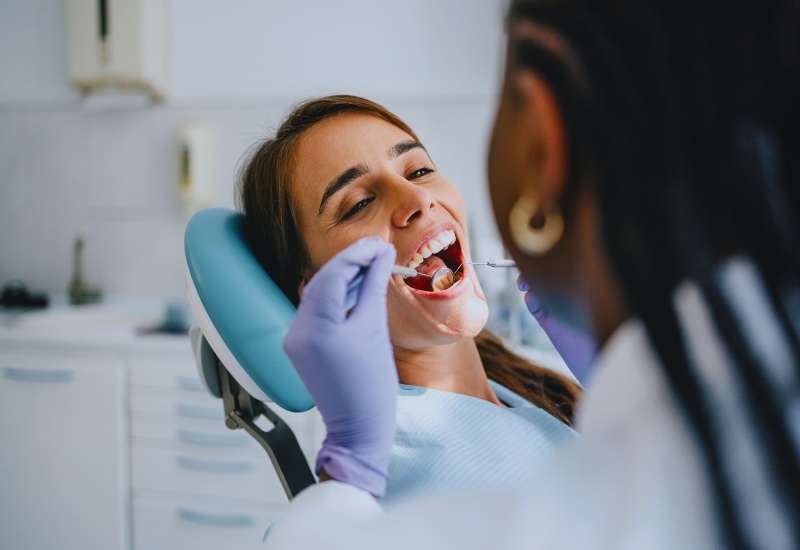
When you arrive for your appointment, a trained dental hygienist carefully examines your mouth for any immediate concerns. The core of the visit involves plaque removal and tartar extraction using specialized scaling tools. Your hygienist works around your gum line and between your teeth to scrape away the hardened buildup that your toothbrush can’t touch.
Once your teeth are completely free of tartar, the hygienist polishes them with a high-powered electric brush and gritty toothpaste. This step removes surface stains and leaves your enamel feeling exceptionally smooth.
Next, the hygienist will expertly floss your teeth to remove any remaining debris from the scaling and polishing. Depending on your needs and your dentist’s recommendations, the appointment may conclude with a protective fluoride treatment designed to strengthen your enamel and ward off future decay.
The Benefits of Regular Professional Teeth Cleanings
Professional teeth cleanings offer more than just a polished smile. Here are some of the key benefits:
- Preventative Care – During a routine check, your dentist can spot the early signs of cavities, broken fillings, or even oral cancer. Catching a small cavity early can save you from a future root canal.
- Fresher Breath – Regular cleanings can combat chronic bad breath (halitosis) by clearing out hidden bacteria from below the gum line.
- Cost Savings – Investing in cleanings twice a year is much more affordable than paying for emergency extractions, dental implants, or intensive periodontal therapy down the line.
Are Dental Cleanings Safe? Can You Do Them Too Often?
Routine dental cleanings are safe and necessary for patients of all ages. The tools and techniques used by modern hygienists are designed to protect your enamel while effectively removing harmful bacteria. It’s highly unlikely to experience negative side effects from adhering to a dentist-recommended cleaning schedule, even if that means visiting every three months.
Preventative Dentistry for Kids: Why Children Need Regular Cleanings Too
The importance of preventive dentistry for kids can’t be overstated. Baby teeth act as crucial placeholders for permanent teeth and losing them prematurely to severe decay can cause significant alignment issues.
Parents should start scheduling dental visits as soon as a child’s first tooth erupts. Our dental professionals will gently clean the teeth and monitor the child’s jaw development. We also provide valuable preventive dentistry tips for children, including demonstrating proper brushing techniques, recommending the appropriate amount of fluoride, and discussing tooth-friendly dietary choices.
Routine visits also help children become comfortable in the dental chair, reducing anxiety and fear associated with oral healthcare as they grow older.
Signs You May Need a Cleaning Sooner Than Scheduled
You don’t always have to wait six months to see your dentist. Here are some signs that you should schedule an appointment immediately:
- Bleeding Gums – If your gums bleed regularly when you brush or floss, you might have gingivitis.
- Red or Swollen Gums – Tender, red, or swollen gums are clear signs of a bacterial infection.
- Tooth Sensitivity – Sudden sensitivity to hot or cold foods could mean you have enamel erosion or an exposed tooth root.
- Persistent Bad Breath – If bad breath doesn’t go away with mouthwash, it could signal advanced tartar buildup or a hidden cavity.
Frequently Asked Questions
No. While electric toothbrushes are highly effective at removing soft plaque, they can’t remove hardened tartar. Only specialized dental instruments can safely scrape away this calcified buildup. When performed by a dental professional, teeth whitening is considered a safe and effective procedure. Professional treatments use carefully controlled concentrations of bleaching agents to minimize irritation to the gums and protect the underlying tooth structure. Yes, the polishing phase of your cleaning will lift many minor surface stains caused by coffee, tea, and wine. For deeper, more set-in discoloration, you may want to discuss dedicated cosmetic whitening treatments with your dentist.
Take Charge of Your Dental Health
Regular visits to your dental clinic keep your teeth strong, your gums disease-free, and your smile looks healthy. By understanding your risk factors and working closely with your hygienist, you can establish a cleaning routine that supports your needs. Don’t wait until you feel pain or notice bleeding gums to visit a dentist. Contact Elite Dentistry of Monroeville, PA today to schedule your appointment for next comprehensive exam and cleaning.